Source Flatback Sew On Mirror Rhinestone for Dresses, Bags, Shoes
Compare 30 listings of flatback sew on mirror rhinestone from verified suppliers. Buyers can review specifications like K9 glass material, gold plated backs, and various shapes including square and round for garment and jewelry applications; compare the available evidence and request quotations based on your requirements.
Key considerations
Products List




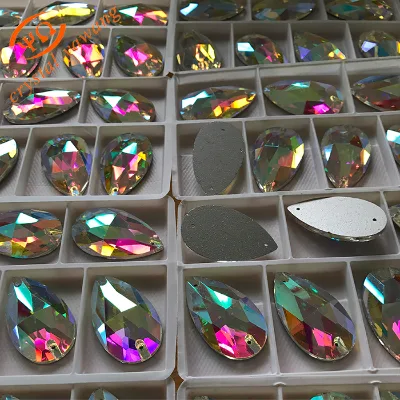
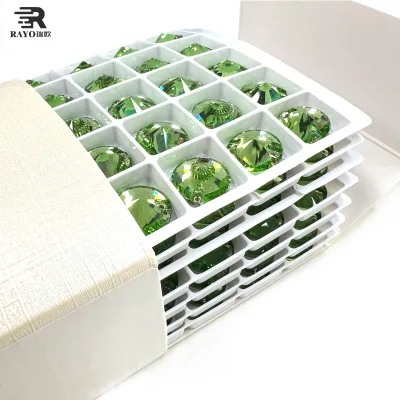
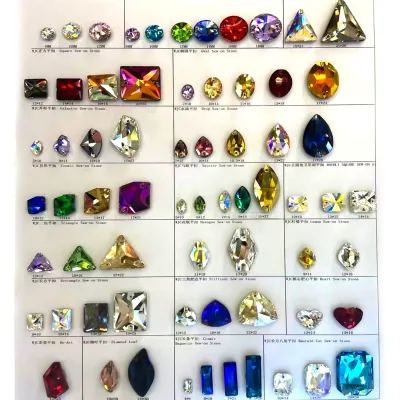
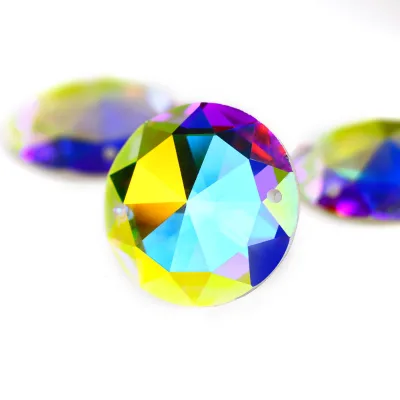
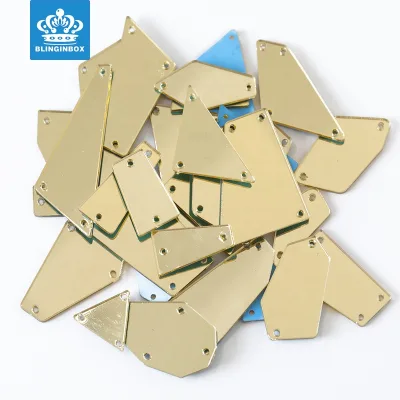


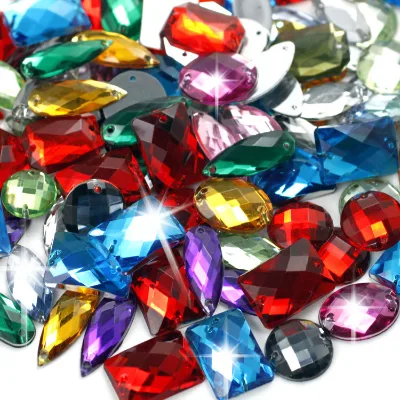
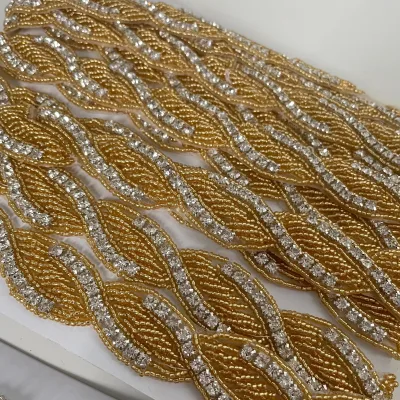
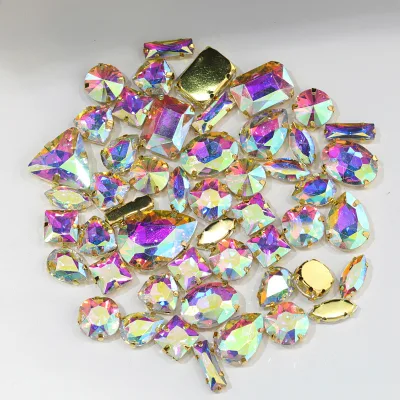
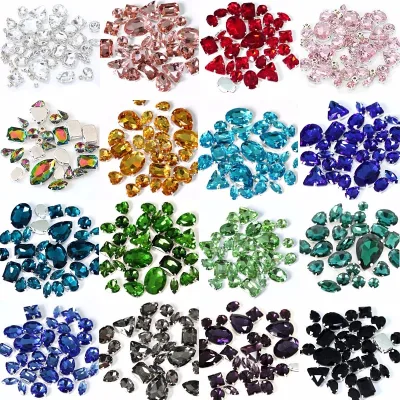
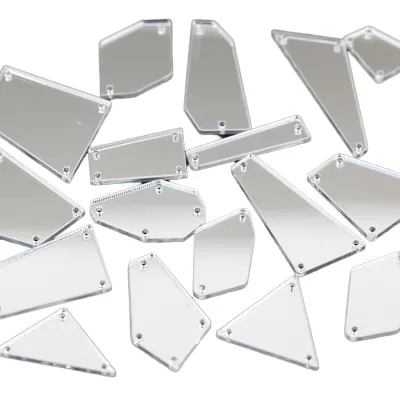

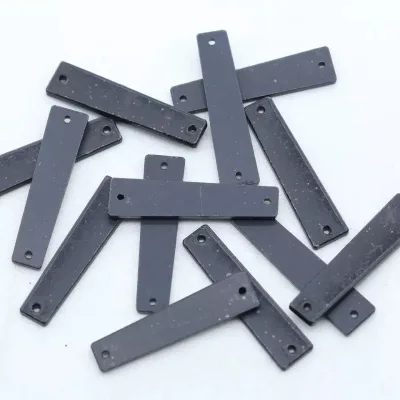
Comprehensive Sourcing Guide
Flatback Sew on Mirror Rhinestone Sourcing Guide
Buyers must first distinguish between the specific "flatback" and "sew-on" attributes observed in listings, as these define the installation method and final aesthetic. The supplied data confirms that products are available as loose rhinestones with a flat back, designed specifically for sewing onto fabrics like dresses, bags, and shoes rather than using heat-activated adhesives. This distinction is critical because a flatback sew-on stone requires a needle and thread, whereas a hot-fix variant would need a specialized applicator, and confusing the two can lead to production delays or incompatible inventory.
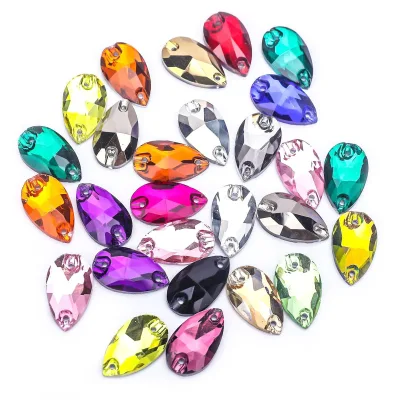
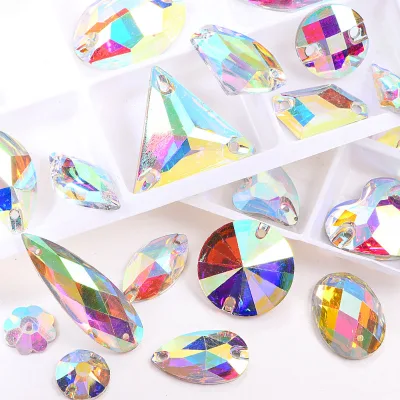
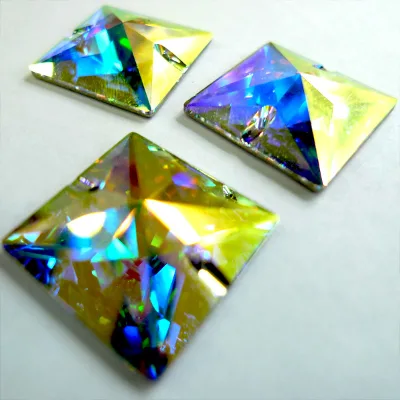
Procurement teams should also verify the specific shape and color variations available, as the market offers over 40 shapes including square, round, drop, and teardrop, alongside more than 60 color options. The observed listings indicate that while some items are described as "coloured," others are explicitly listed as "white," and the material is consistently identified as K9 glass or sparkling glass. Understanding these visual and material variables is essential for matching the rhinestones to the specific design requirements of garment manufacturers or jewelry assemblers who need precise color matching and shape consistency.
Product Scope and Observed Listing Signals
The product scope for flatback sew-on rhinestones is defined by their loose nature and the specific "sew-on" technical method, which differentiates them from other adhesive-based embellishments. Listings frequently describe these items as "crystal rhinestone strass" or "glass sew-on rhinestones," emphasizing their use in diverse applications such as nail art, wedding dresses, and general garment decoration. Buyers should note that the "mirror" aspect often refers to the high-reflection quality of the K9 glass, which provides a shinning effect, but the core definition relies on the physical ability to be stitched onto a substrate.
When evaluating listings, buyers must pay close attention to the packaging and unit definitions, as observed data shows variations ranging from "White Box" to "Standard Box and Cartons" or items packed "in Tray, Then in Box." The Minimum Order Quantity (MOQ) signals also vary significantly, with some suppliers requiring a minimum of 6 boxes while others accept orders as low as 1 box per color and size, or even 100 pieces. This variability in commercial terms requires buyers to align their initial order volume with the specific supplier's constraints to avoid unnecessary inventory costs or stockouts.
Technical Specifications to Verify
Technical verification must begin with the material composition, as the supplied facts consistently identify the core material as K9 glass or sparkling glass, which ensures high clarity and durability. Buyers should confirm that the "Quality" attribute matches the expected standard of K9 glass rather than lower-grade acrylic or plastic, as this directly impacts the light refraction and longevity of the finished product. The "Back" attribute is equally critical, with observations noting both "Gold Plated" and "Gold Foil" options, which affect the aesthetic finish and the ease of threading the needle through the stone.
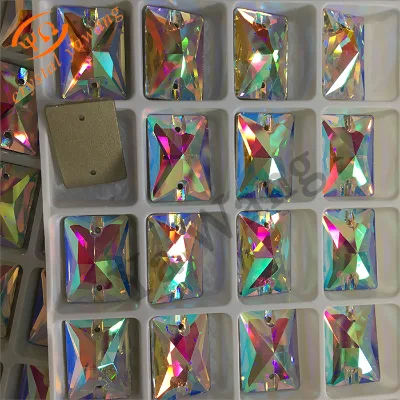
Dimensional specifications are another vital area for verification, as the observed data lists specific sizes such as 612mm, 715mm, and 9*18mm, alongside other models like TSO01 and KT-SO01. Buyers must ensure that the selected size range aligns with the intended application, whether it is for delicate nail art or heavy-duty garment decoration, and verify that the "Shape" matches the design requirement, ranging from square and round to drop and boat shapes. Additionally, the presence of two holes for sewing, as noted in some product descriptions, must be confirmed to ensure the stones can be securely attached without slipping.
Compliance and Safety Documentation
While the supplied facts mention "High Quality" and "SGS" as standards, buyers must treat these as observed claims rather than guaranteed certifications for every unit in a shipment. It is essential to request specific test reports or certificates of analysis that verify the material safety, particularly regarding lead and cadmium content, which are common concerns in glass and crystal products used on clothing and jewelry. The "SGS" reference in the data suggests a potential compliance pathway, but procurement teams should not assume this applies universally without requesting the actual documentation for the specific batch being ordered.
Safety documentation should also address the physical integrity of the product, ensuring that the "Gold Plated" or "Gold Foil" backing does not contain hazardous substances that could cause skin irritation. Since these rhinestones are used on items like wedding dresses and bags that come into direct contact with the skin, verifying that the metal components are nickel-free or compliant with relevant textile safety standards is a prudent step. Buyers should explicitly ask suppliers to confirm adherence to international safety regulations for decorative accessories, rather than relying solely on the general "High Quality" label found in product descriptions.
Cost Drivers and Commercial Terms
The cost of flatback sew-on rhinestones is heavily influenced by the material grade, with K9 glass commanding a higher price point than lower-quality alternatives, and the complexity of the shape and color. The observed price range of 0.01 to 65.84 USD suggests a wide variance based on these factors, where intricate shapes like teardrops or specific color batches may carry a premium. Buyers should analyze the unit price relative to the total volume, keeping in mind that the MOQ can range from a single box to thousands of pieces, which significantly impacts the per-unit economics of the purchase.
Commercial terms regarding packaging and shipping are also key cost drivers, as the data indicates options like "White Box," "Standard Box and Cartons," or tray packing, each affecting the final shipping weight and volume. The "MOQ" of 6 boxes or 1 box per color/size creates different inventory management challenges, and buyers must calculate the total landed cost including these minimums to avoid overstocking unwanted colors or sizes. Additionally, the origin location, noted as Guangzhou or Guangdong in China, influences logistics costs and lead times, which should be factored into the overall budget before finalizing the order.
Supplier Qualification and Quality Control
Supplier qualification should focus on verifying the consistency of the "K9 Glass" material and the precision of the "Sew-on" hole placement, as these are the primary functional requirements. Buyers must assess whether the supplier can consistently deliver the "Over 40 Shapes" and "Over 60 Colors" claimed in the listings without significant deviation in quality or finish. The presence of "SGS" as a standard in the data is a positive indicator, but it should be validated through direct communication to ensure the supplier maintains a robust quality control system that prevents defects like chipping or uneven plating.
Quality control protocols must also address the packaging integrity, as the observed "White Box" and "Carton" packaging must protect the fragile glass stones during transit. Buyers should request a sample batch to verify that the "Shinning" feature and "Sparkling" quality are consistent across the entire order, and that the "Gold Plated" or "Gold Foil" backing remains intact. Establishing a clear acceptance criteria for the "High Quality" standard is essential, ensuring that the supplier understands the specific visual and tactile expectations required for the final application in garments or jewelry.
Long-Term Procurement Checks
Long-term procurement success depends on the supplier's ability to maintain consistent color and shape availability over time, given the wide variety of options like square, round, and drop shapes. Buyers should establish a system for tracking inventory levels of popular colors and sizes to ensure that the "Over 60 Colors" and "Over 40 Shapes" remain accessible for future production runs without unexpected discontinuations. Regular audits of the supplier's stock levels and production capacity are necessary to prevent supply chain disruptions that could halt the manufacturing of dresses, bags, or jewelry items.
Continuous verification of the "High Quality" and "SGS" standards is also critical for maintaining brand reputation and customer satisfaction. Buyers should schedule periodic quality checks to ensure that the "K9 Glass" material and "Sew-on" construction remain consistent with the initial samples and that the "Gold Plated" or "Gold Foil" backing does not degrade over time. Building a long-term relationship with a supplier who can provide reliable documentation and consistent product performance will mitigate risks and ensure a steady supply of high-quality flatback sew-on rhinestones for ongoing business needs.
FAQs
What materials are used for flatback sew on rhinestones?
These rhinestones are crafted from high-quality K9 glass, ensuring exceptional clarity and brilliance. The flatback design allows for secure attachment to various surfaces. The glass material provides durability and a sparkling finish, making it ideal for decorative applications in fashion and accessories.
Can I customize the shape and color of these rhinestones?
Yes, customization is available for both shape and color. Buyers can choose from over 40 shapes, including round, drop, and square. Additionally, there are over 60 color options, including white and various colored variants. This flexibility allows for precise matching with specific design requirements.
What are the standard sizes for these sew on rhinestones?
Standard sizes include 6*12mm, 7*15mm, 9*18mm, and others like 10*14mm and 16*25mm. These dimensions cater to diverse decorative needs. The variety ensures that users can select the appropriate size for different applications, from small nail art details to larger garment embellishments.
What is the minimum order quantity for these products?
The minimum order quantity varies by supplier but typically starts at one box or 100 pieces. Some suppliers require a minimum of six boxes. Buyers should check specific supplier terms, as MOQs can depend on the chosen size, color, and packaging configuration for bulk orders.
Where are these rhinestones manufactured and shipped from?
These rhinestones are manufactured in Guangdong, China, specifically in Guangzhou. The region is known for its strong manufacturing capabilities in accessories. Products are typically packed in white boxes and standard cartons before being shipped to international buyers for various decorative and industrial uses.
What certifications do these glass rhinestones meet?
These rhinestones meet high-quality standards and are certified under SGS. This certification ensures that the materials and manufacturing processes adhere to recognized safety and quality benchmarks. Buyers can rely on these standards for compliance in various markets, ensuring the products are suitable for commercial use.